Guide
How the surcharge ban works at your counter
The card fee can't go on the bill any more, so it goes into the price; here is what to change, in the order a counter meets it.
By Fee Check · Updated · 3 min read
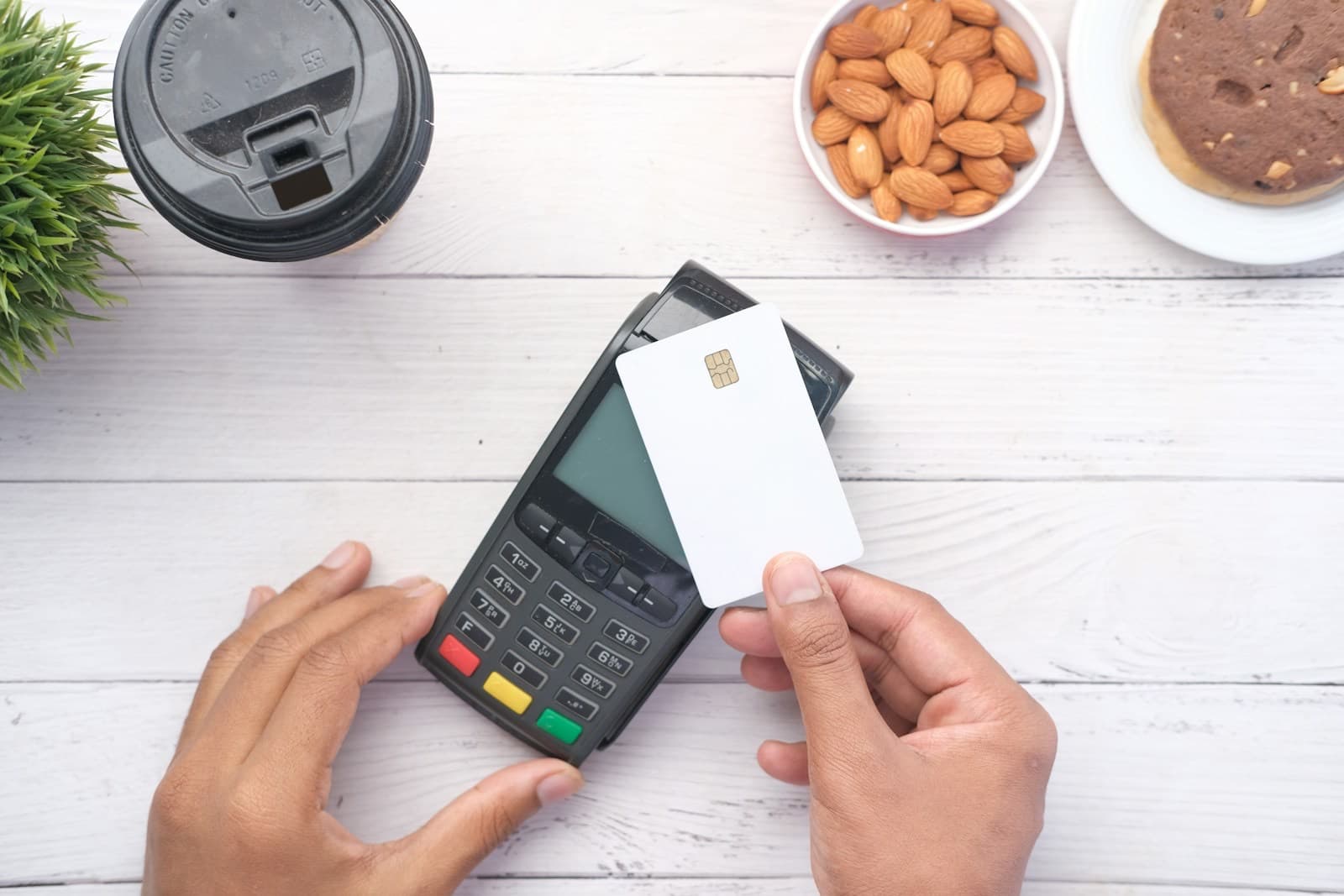
Since 1 October 2026 a business can't add a fee because a customer pays by eftpos, Mastercard or Visa, and American Express, UnionPay and PayPal (from 5 October) have stopped it on their cards too.[1] The cost of taking cards hasn't gone anywhere. It now has to be carried in your prices, and the work is mostly at the counter. The surcharge rules page sets out every network and date; this guide is the checklist for Monday morning.
Ask one question of every fee you charge
Would a customer paying cash pay it too? If yes, the fee can stay. Weekend and public holiday surcharges, booking fees and service fees that everyone pays are outside the ban, and you may still give a discount for paying another way.[1] If no, it is a card surcharge whatever the docket calls it, and it has to go.
Two cases catch people out. A customer paying with a company card is covered like anyone else: the rules apply to business payments and to commercial and corporate cards.[2] And an invoice you sent in September but which is paid by card on or after 1 October can't carry the surcharge either.[1]
Walk the counter, then the screens
- The terminal. Most large providers planned to switch surcharging off on their terminals around 1 October.[1] Run one small test sale and read the slip: there should be no surcharge line.
- The point-of-sale and invoicing software. Look for a surcharge set up in the software or on invoice templates, and remove it there too.[3]
- The online checkout and booking system, which may add a card fee of its own.[3]
- Everything printed or posted: menus, counter signs, the website, booking confirmations and invoice footers that mention a card fee.[3]
- The people. Make sure whoever is on the till knows the change and can explain a new price in a sentence.[3]
Put the fee into the price once
Take the calculator's starting example: $30,000 a month through the terminal, 90% of sales paid by card, and a flat 1.6% rate, the in-person rate Square publishes.[4] Card fees come to $5,760 a year. If that business used to add a 1.5% surcharge, it has also lost about $5,400 a year of surcharge income.
To keep the same takings after fees, prices across all sales need to rise by about 1.46%. The rise is a little more than the fee rate times the card share, because the fee is charged on the new, higher price as well. On a $4.50 item that is about 7 cents, which most businesses round to a clean price on the next menu or price list rather than adding to every line now.
You don't have to raise prices at all, and if your fees are high the better move may be to cut them instead (see below). What matters is that the decision is made deliberately, from your own numbers, rather than by leaving the old surcharge to fall off the bill.
Say it plainly to customers
The displayed price is now what everyone pays: the ombudsman's own example is a drink shown at $4.95 that costs $4.95 whether it is paid in cash, by debit or by credit.[3] If you change a price, don't mislead customers about the reason for it.[3] Businesses that keep surcharging may be contacted by their payment provider and may face penalties.[2]
Then lower the fee itself
With the fee inside your prices, every tenth of a per cent you save is margin you keep. The RBA cut interchange fees as part of the same reforms, and its advice is to check you are on the best plan for your needs and to shop around.[1] On a flat-rate plan you only see the cut if your provider lowers its rate. Our guide to flat rates and interchange-plus explains the choice, and the calculator ranks 11 published plans on your own takings.
If a fee only applies when someone pays by card, it is a surcharge, whatever it is called.
Sources
- Review of merchant card payment costs and surcharging: FAQs. Reserve Bank of Australia, checked .
- Card surcharge FAQs for business. Australian Payments Network, checked .
- Card surcharging ban. Australian Small Business and Family Enterprise Ombudsman, checked .
- Square pricing. Square pricing, checked .
Spotted something out of date or wrong? Tell us and we’ll check it.